
Alberta Precision Laboratories Now Provides All Community Lab Services
Alberta Precision Laboratories (APL) is the provider of all community laboratory services operations in Alberta, including those formerly offered by DynaLIFE.
More info on this agreement, and the benefit to lab services in Alberta.
We are here for you, and excited for our growing team to continue improving lab services across Alberta.
Your Lab Appointment
Albertans can book online or by phone.
Book an appointment, find a location and hours of operation.
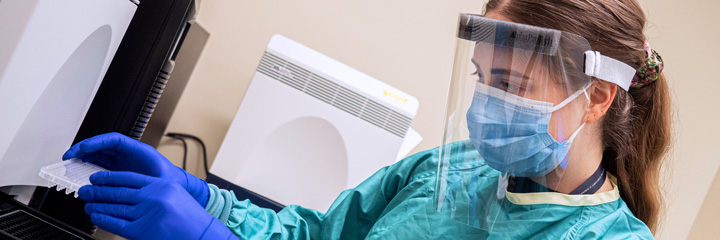
We're Hiring
Visit the Alberta Precision Laboratories (APL) job board to view our career opportunities.
Test Directory
Our Test Directory includes detailed information, guides and references for many of our tests.
Latest News & Stories
Lipid screening saves lives - February 24, 2024
APL to Provide Community Lab Services as of Aug. 31 - August 18, 2023
Immediate Action to Improve Lab Services - August 3, 2023
Read more: News Releases | Feature Stories